Key takeaways
- Think about demolition day and the days after.
- Heavy material like tile and stone should be planned for.
- Plan swaps for projects that run through several phases.
- Keep the container away from the work path.
Walk through the project
List each room and what is coming out: cabinets, counters, flooring, drywall, tile, fixtures. Note which items are heavy and which are bulky.
A short list helps us recommend a container.
Estimate by room
A bathroom is often a 10 yard. A kitchen usually fits a 15. A whole-house renovation is typically a 20 or 30 yard, often with a swap.
These are rough starting points; every home is different.
Plan the schedule
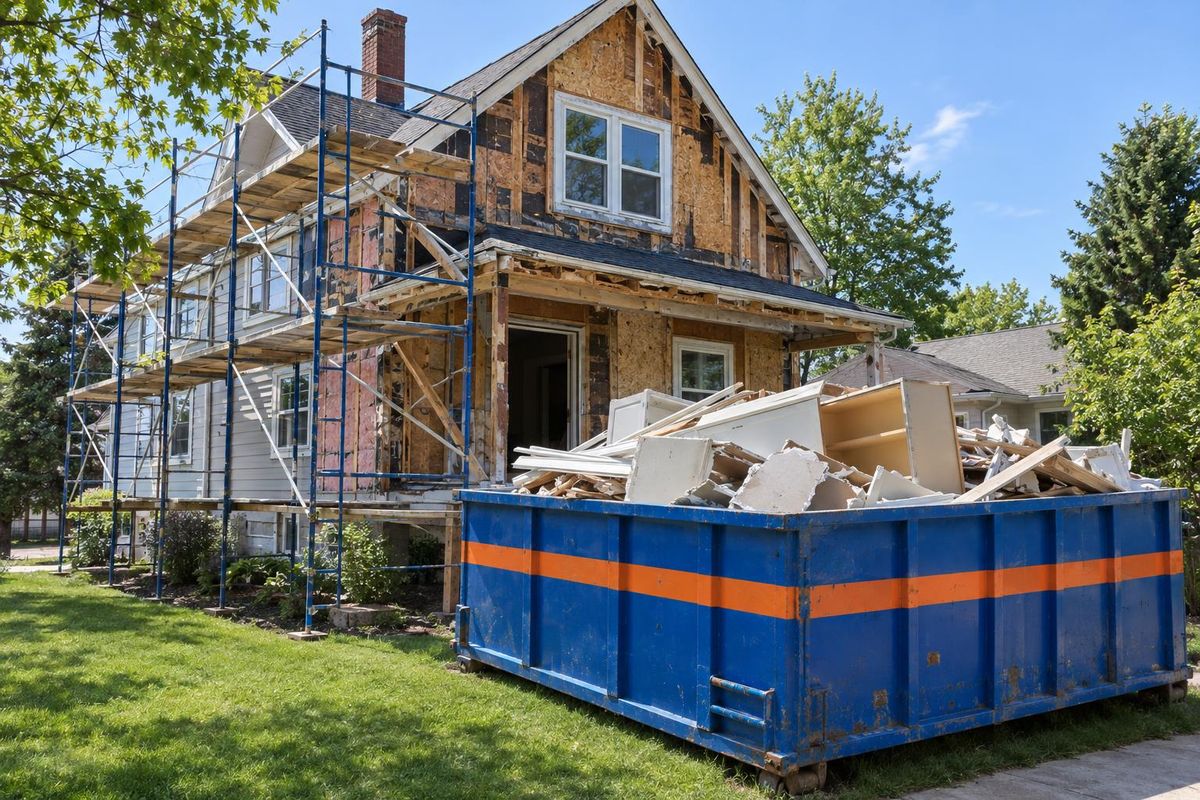
Demolition produces the most debris on the first days. Framing and drywall add more. Finish work produces less. Plan the container to be on site for demolition and swap or add as phases change.
Tell us when the project is likely to run long.
Keep the site workable
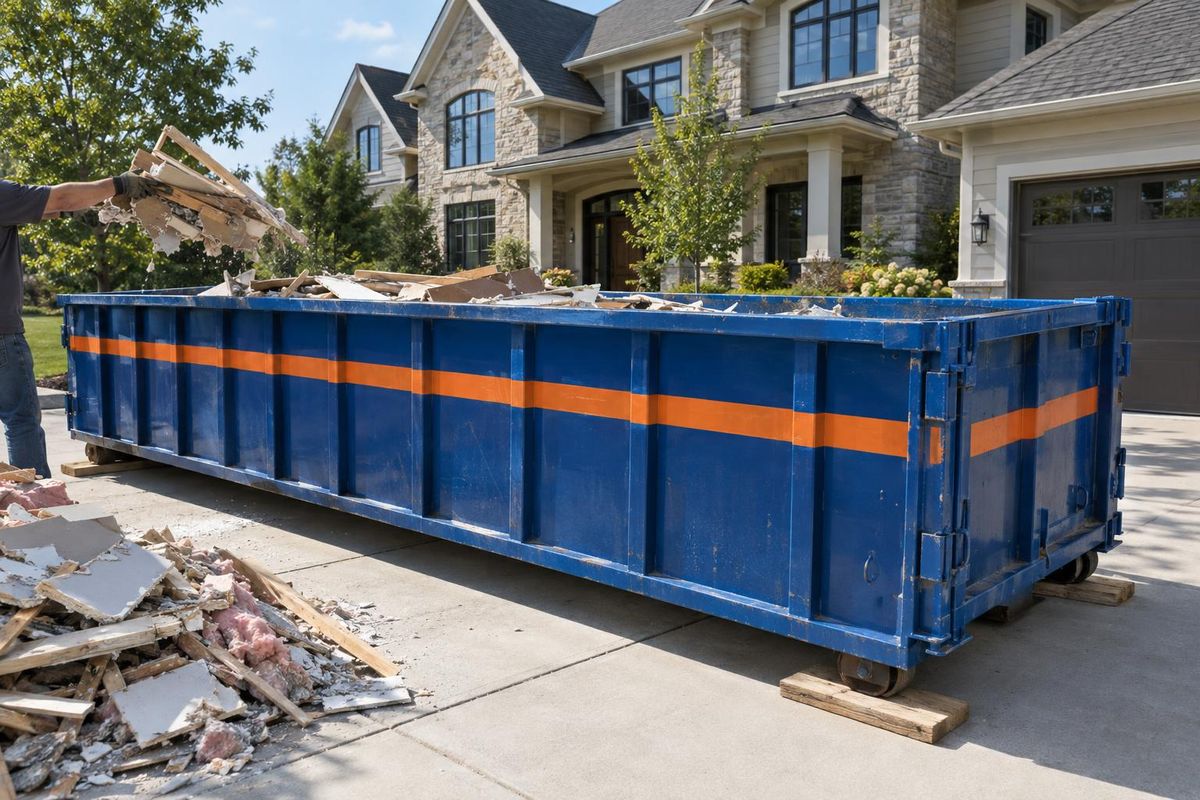
Place the container so crews can reach it without blocking doors and hallways. Keep the driveway protected and the lawn clear.
Sort out materials to donate or recycle before demolition starts.
Quick answers
What size for a kitchen remodel?
A 15 yard works for most kitchens. A full gut may need a 20.
When should the dumpster arrive?
The day before demolition is common, so crews can start as soon as they arrive.